


Integrated Sensing and Communications (ISAC): Sensing the Future Battlefield
Integrated Sensing and Communications (ISAC) explores innovative applications of spatially distributed radio systems for both tactical and expeditionary DoW missions, enhancing and expanding crucial DoW capabilities through intelligent radio systems. By leveraging emerging sensing concepts in commercial networks, ISAC aims to create new military capabilities, including force protection, information operations, and persistent surveillance.
Fusing Sensing and Communication for Enhanced Awareness
We Aim To:
Revolutionize battlefield perception by developing and deploying ISAC systems that provide continuous, wide-area sensing capabilities, detecting and tracking targets previously difficult to detect by invisible to traditional sensors.
Establish deterrence capabilities by working with commercial industry to build systems that protect critical infrastructure from emerging threats, such as weaponized drones.
Exploit the RF environment by utilizing existing and emerging communication networks, including 5G/6G and tactical radios, as dynamic sensing platforms, reducing reliance on dedicated sensors and expanding coverage.
Foster innovation and collaboration by leading the development of ISAC technologies through partnerships with industry, academia, and government agencies, ensuring U.S. dominance in this critical field.
Shape the future of warfare by integrating ISAC into the DoW's multi-domain operations concept, creating a more connected, resilient, and informed force.
Highlighted Project:
ISAC is pioneering the convergence of sensing, either in the form of object detection or high resolution image sensing, and communication technologies to create a more informed and responsive operational environment. This highlighted project showcases ISAC's commitment to developing innovative solutions:
Cross-Modal Camera-Radar Fusion Learning for Moving Target Indication: This project is developing a cutting-edge camera-aided machine learning detection system to enable detection, classification and tracking of ground and air moving targets using signals of opportunity from existing communications infrastructure. This innovative approach improves upon the current paradigm of using separate sensors for tactical communications and radar sensing, offering a more integrated and resource efficient solution for enhanced situational awareness.
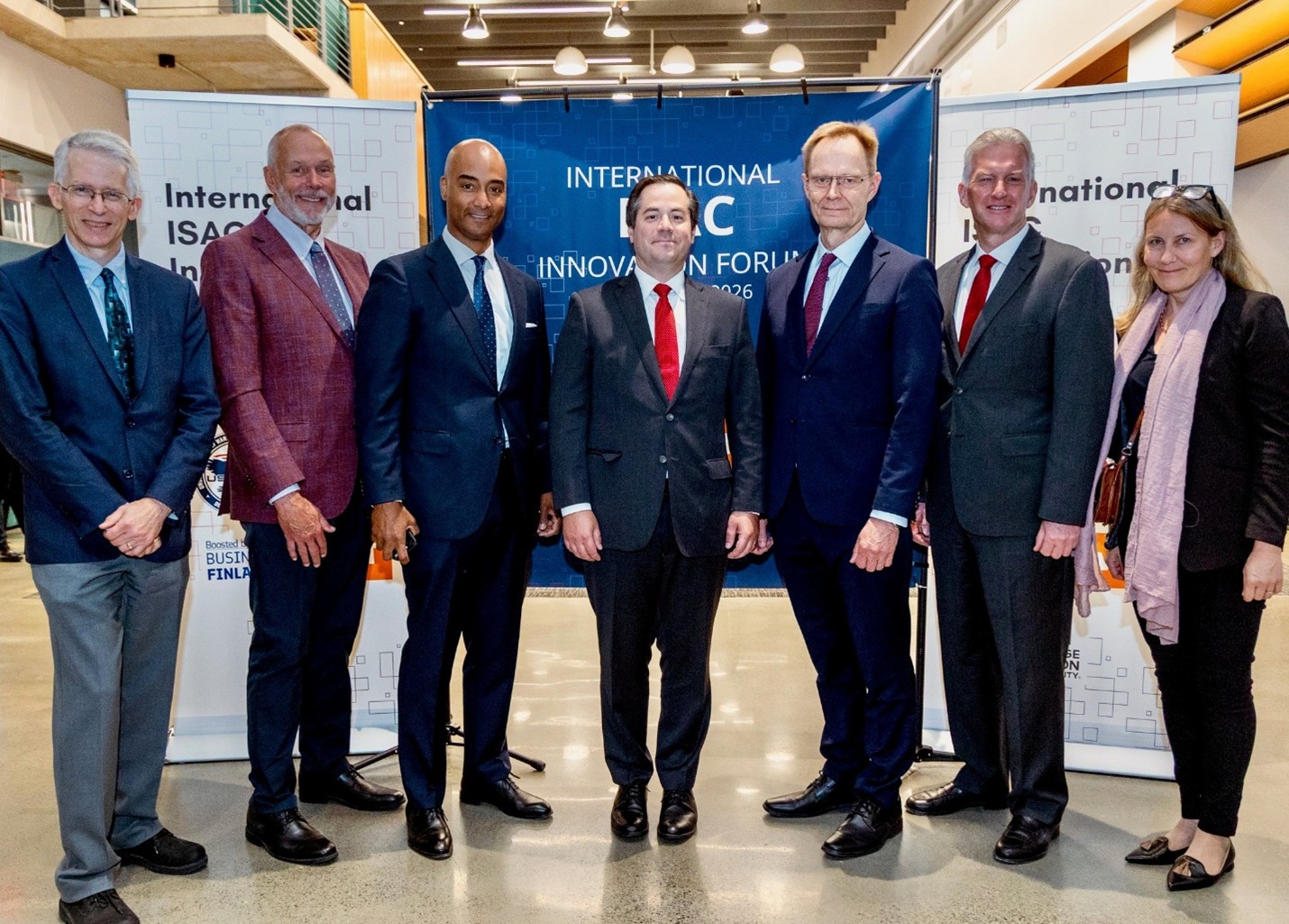
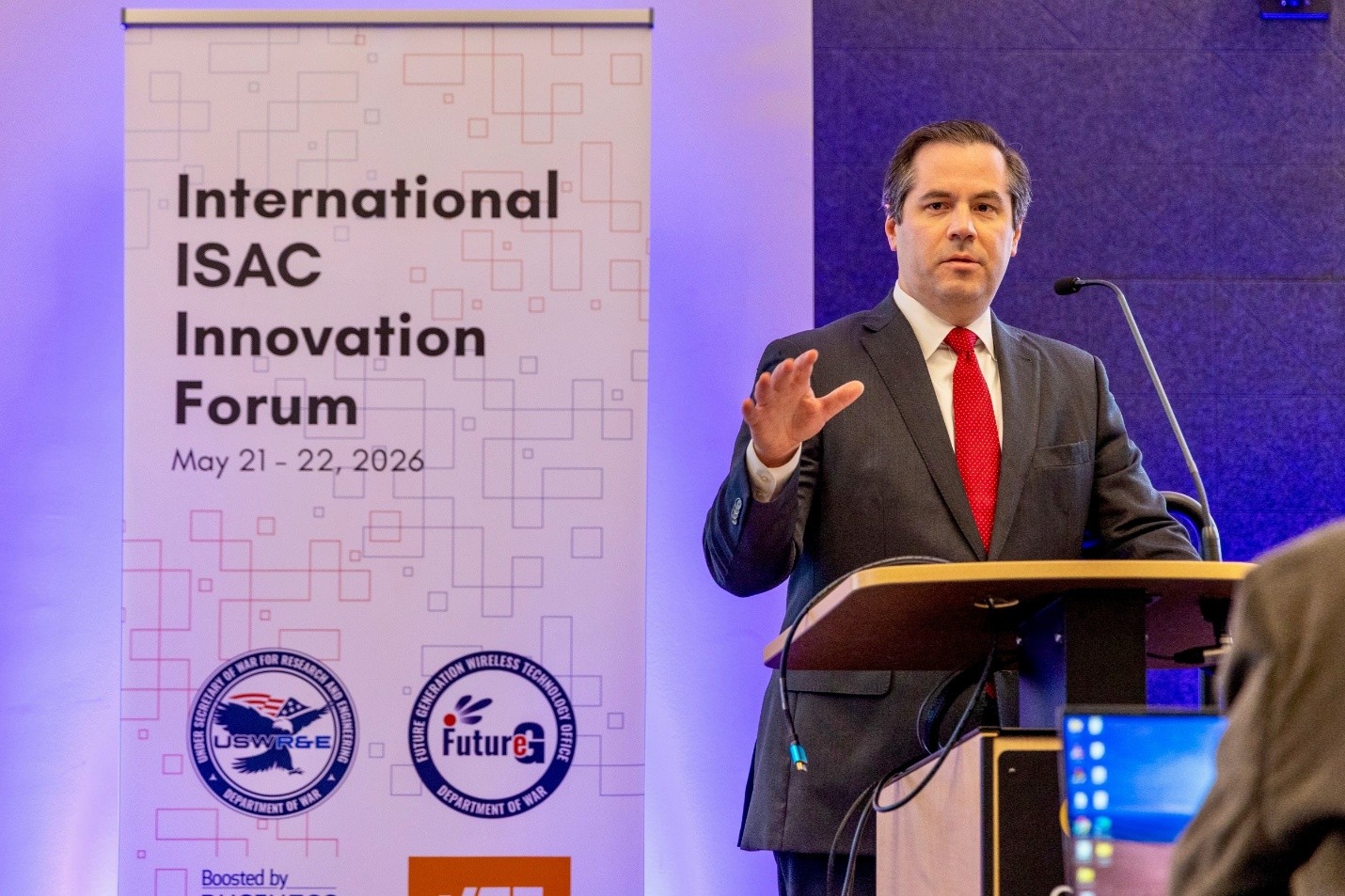
International ISAC Innovation Forum - May 2026
On May 21-22, 2026, the FutureG Office, in partnership with the Government of Finland and George Mason University, convened global policymakers, technical experts, and industry leaders at the International Integrated Sensing and Communications (ISAC) Innovation Forum to advance cooperation, identify complementary capabilities across nations, and align strategic priorities for ISAC. HON James Mazol, Deputy Under Secretary of War for Research and Engineering (DUSW(R&E)), gave opening remarks to kick off the engagement and emphasized the DoW’s commitment to rapid near-term investment in ISAC and aligning with President Trump’s guidance to advance U.S. leadership in 6G innovation. This was echoed by Mr. Petri Peltonen, Under Secretary of State at Finland’s Ministry of Economic Affairs and Employment, who emphasized Finland’s longstanding collaboration between government and industry to ensure next generation networks are secure and trusted. The event drove significant multi-sector impact, drawing over 200 in-person attendees representing 15 nations, 52 companies, 13 academic institutions, and 9 U.S. government agencies. This broad turnout underscores the initiative's extensive collaborative reach and strategic alignment across global and domestic stakeholders.
ISAC Strategy Summit - August 2025
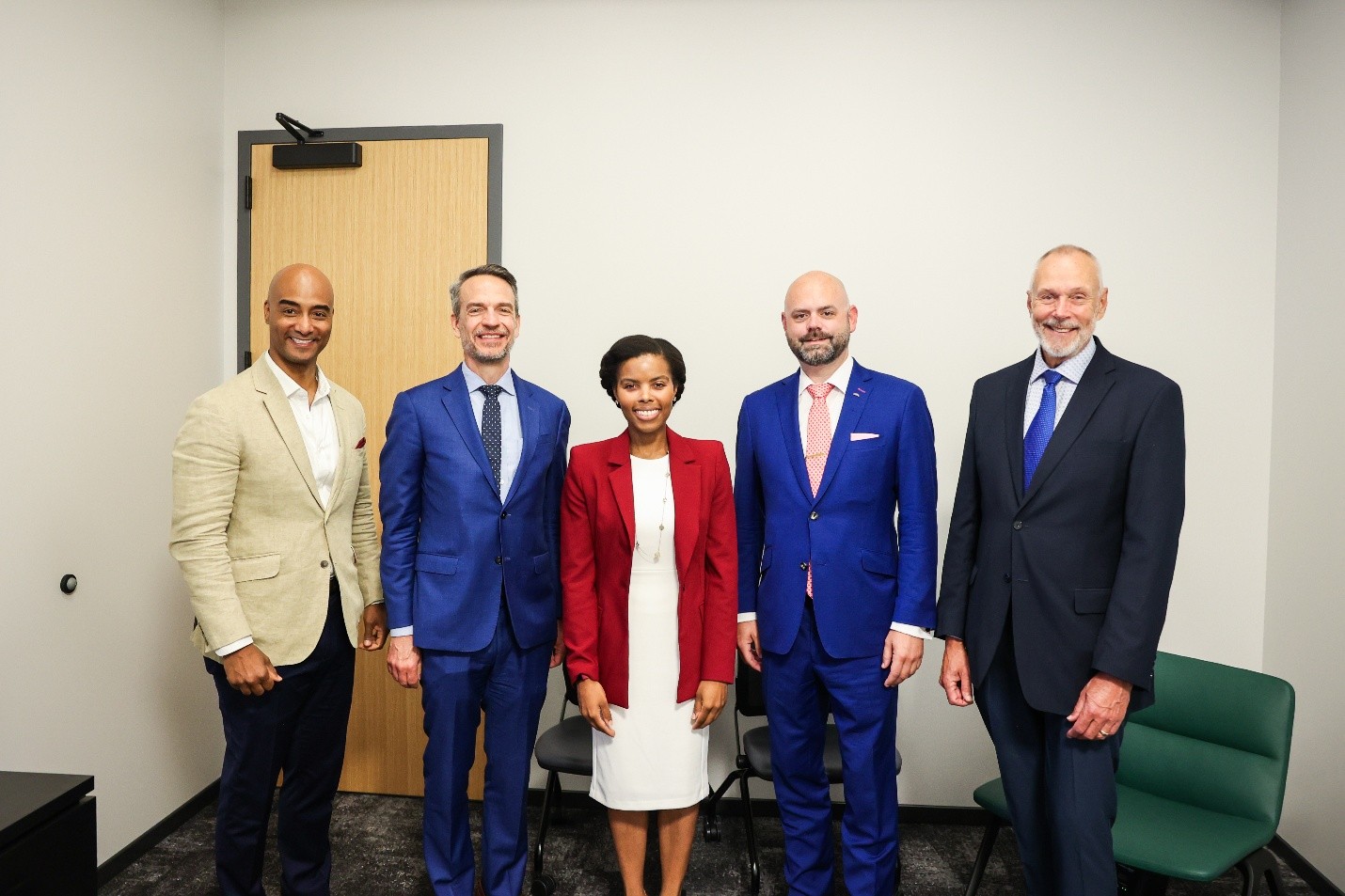
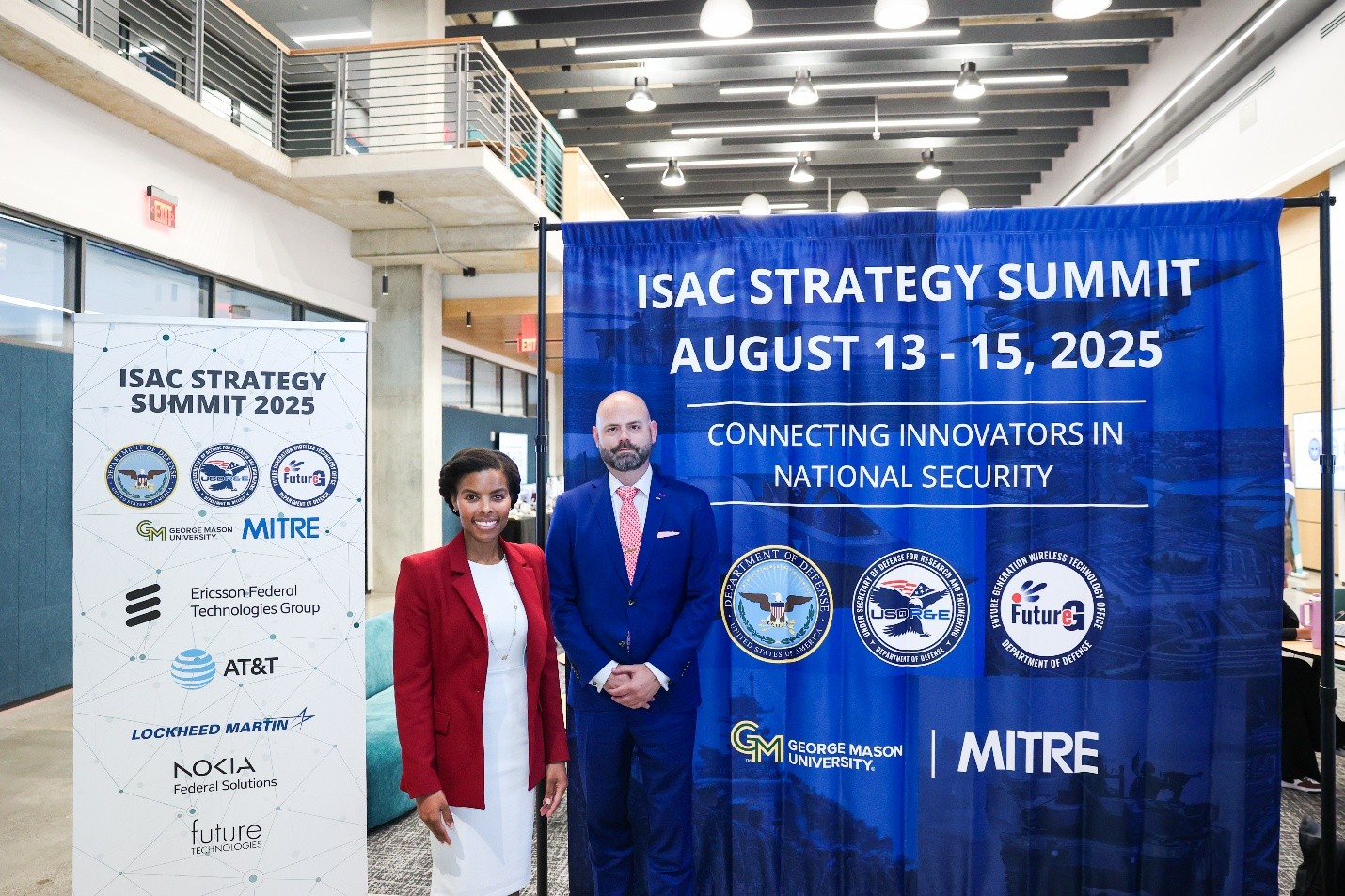
On August 13-15, the FutureG Office hosted the inaugural Integrated Sensing and Communications (ISAC) Strategy Summit in Arlington, VA. The event brought together leaders (in-person and virtual) from commercial industry, government, and academia to forge a coordinated U.S. strategy for ISAC, a technology of increasing global importance. The ISAC Strategy Summit aimed to position the U.S. at the forefront of ISAC innovation and market opportunities, recognizing that foreign governments are heavily investing in its capabilities. The Summit was designed to build a community of practitioners, to create resources to support the development of a comprehensive national strategy for both commercial and defense applications of ISAC, and to identify critical barriers to progress. The agenda explored ISAC from three perspectives: commercial industry & international landscape, government policy, and military/DoD use cases, culminating in actionable guidelines for policymakers and leaders. Speakers included Ms. Olivia Trusty, the Federal Communications Commission (FCC) Commissioner Olivia Trusty, who emphasized the importance of ISAC in her keynote stating, “If the U.S. fails to lead on ISAC, we risk more than just technological obsolescence. We risk losing the ability to define global standards, the agility to respond to emerging threats, and the credibility to defend our digital sovereignty.”
On April 9-10, 2025, George Mason University hosted a national workshop on Integrated Sensing and Communications (ISAC), the findings of which are detailed in this report. Sponsored by the FutureG Office and the National Science Foundation, the workshop convened leading academic researchers to delve into the strategic development of ISAC, exploring its potential to revolutionize Department of War (DoW) operations and bolster national security. The discussions encompassed a comprehensive review of the current state of ISAC, with a focus on crucial considerations like signal frequency, bandwidth, sensing capabilities, electronic warfare vulnerabilities, and precision trade-offs.